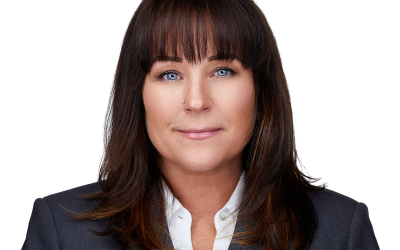
In Los Angeles, opportunity often begins with a glance. The region’s economy, spanning entertainment and media, aerospace, trade and logistics, fashion, bioscience, and a fast-moving tech scene around “Silicon Beach”, is dense with qualified people competing for attention. When a recruiter, GC, producer, or startup founder lands on your LinkedIn profile, your LinkedIn headshot becomes a micro-audition: a split-second impression of your credibility and fit for their world.
First impressions form in a blink, then harden
Psychologists Janine Willis and Alexander Todorov showed that viewers form stable judgments of faces in about one-tenth of a second; additional time raises confidence but rarely flips the impression. On LinkedIn, that means the first glance at your LinkedIn headshot is already shaping whether someone reads your headline, scans your experience, or clicks away. Consequently, a great headshot doesn’t just look nice, it strategically manages that crucial 100 milliseconds.
The two dials: warmth and competence
Harvard Business Review frames effective first impressions as a blend of warmth (approachability, trust) and competence (capability, leadership). Online, your image must “connect, then lead”: signal you’re human and trustworthy before asserting authority. Your LinkedIn headshot can do both with micro-cues, eyes, mouth, posture, clothing, and light, so viewers feel welcome and assured in equal measure.
Look me in the eye: why gaze matters
Humans are exquisitely sensitive to eye contact. Experimental research finds that direct gaze increases perceived trust and belief, even when statements are ambiguous. Subtle shifts in gaze or averted eyes can change whether a viewer reads you as confident and attentive or distracted and closed-off. In practice: bring your eyes to the lens, avoid heavy squinting, and let catchlights (tiny reflections from the lighting) animate the eyes.
Smile strategy: calibrate warmth without sacrificing authority
Not all smiles are equal. Research shows smile intensity influences how people rate warmth (friendliness) versus competence (capability). A big grin can boost likeability but, in certain roles, a gentler smile may better balance approachability with authority. Intriguingly, new work in 2025 found founders who smiled more authentically increased investor trust and raised more funding, evidence that, used well, a smile is not fluff; it’s a performance signal with real outcomes. Therefore, dial expression to your audience: broader for client-facing creative roles, moderate for legal and finance, somewhere in between for tech leadership.
LinkedIn’s own data: the platform rewards strong photos
LinkedIn reports that profiles with a photo get substantially more attention, its Talent and Sales teams have noted figures such as being 14× more likely to be viewed, and other LinkedIn resources cite 21× more views and 9× more connection requests. The company also recommends your face fill about 60% of the frame, which keeps micro-expressions readable on mobile. In short, the algorithm and the audience both respond to clear, human-centered images.
Light shapes perception (and mood)
Lighting is the hidden persuader of portraiture. With continuous or natural light, you and the photographer can fine-tune shadows in real time, coaxing clarity around the eyes and shaping the jawline without harsh contrast. Two-softbox “clamshell” or a refined window-light setup can deliver flattering, consistent results that emphasize warmth in the eyes and competence in bone structure. Meanwhile, one-light setups, used skillfully, can still look polished and dimensional. The point isn’t gear, it’s control. In professional hands, light sculpts trust. PetaPixel
Keep it real: relevance and recency beat decoration
Usability research from Nielsen Norman Group is unequivocal: people trust relevant, high-quality images and ignore decorative “fluff.” For LinkedIn, that means a clean background (studio or environmental), true-to-you wardrobe, and accurate color that doesn’t fight your brand. Avoid visual noise and aggressive retouching, polish is good; over-processing erodes authenticity.
Why DIY and AI often miss the mark
Two pitfalls undermine non-professional headshots. First, we’re bad at picking our own best photo: controlled studies show people routinely choose images that others rate less favorably than alternatives. Second, time moves faster than we think, Wired recommends updating profile photos roughly every three years (sooner if your look changes) to maintain authenticity and prevent “cognitive dissonance” when meetings move offline. A pro solves both, providing expert curation and a timeless look you can use across platforms. SpringerOpen
The LA factor: tailor to your industry lane
Los Angeles isn’t one market, it’s many. Consider the expectations of your lane:
-
Law & professional services. LA County’s largest firms employ thousands of attorneys locally; competition is intense. Favor a restrained smile, direct gaze, neutral background, and classic tailoring, signaling steadiness and attention to detail. Los Angeles Times
-
Tech / venture / aerospace. With hundreds of thousands working in tech across the metro, leaders can show a touch more personality, clean environmental backgrounds, subtle color in wardrobe, while retaining the confident gaze and crisp lighting that read as competent. Fenwick
-
Entertainment & media. Authenticity is currency. Controlled lighting and a confident, approachable expression travel well across casting directors, producers, and brand teams, while staying appropriate for LinkedIn’s professional context. (Anchor with the same warmth/competence mix; simply allow a bit more creative flair.) LAEDC
A practical brief for your photographer
To translate psychology into a great LinkedIn headshot, share this brief when you hire:
-
Crop & composition. Tight head-and-shoulders; ensure the face occupies ~60% of the frame for mobile legibility. LinkedIn
-
Gaze. Lens-level, engaged eyes to maximize trust; watch for sharp, lively catchlights. PMC
-
Expression. Calibrate smile intensity to industry norms and role seniority (see “Smiles” above). College of Business
-
Lighting. Continuous or natural light for live feedback; clamshell or refined two-softbox for even, flattering illumination; one-light options where needed. PetaPixel
-
Background. Relevant and low-distraction (solid studio tones or softly blurred environment) to keep focus on the face, remember, relevance drives credibility. Nielsen Norman Group
-
Wardrobe & color. Choose pieces that fit your brand voice and contrast your background; avoid loud patterns that moiré on screens. (Principle: design quality and clarity support trust.) Nielsen Norman Group
-
Curation. Ask your photographer to deliver a small, expert-curated shortlist; don’t rely on self-selection alone. SpringerOpen
The ROI case: not just “nice to have”
This isn’t vanity, it’s visibility. LinkedIn’s guidance and platform data show real boosts in discovery and engagement for profiles with strong, human photos. And in a market the size and pace of LA, the right image can be the difference between a recruiter skimming past or clicking “Message.” Invest once in a LinkedIn headshot that sets the tone for your entire digital presence; you’ll amortize that investment across LinkedIn, speaking bios, press kits, and proposals.
Ready to take the next step? With this in mind, if you are based in Los Angeles and want a headshot that conveys both warmth and competence, I would love to help. As a professional photographer, I specialize in creating images that are not only polished but also authentic, ensuring your LinkedIn profile makes the strongest possible impression. To be sure, investing in a professional headshot is an investment in your career visibility. Therefore, I encourage you to get in contact with me today to learn more about booking your personalized headshot appointment.