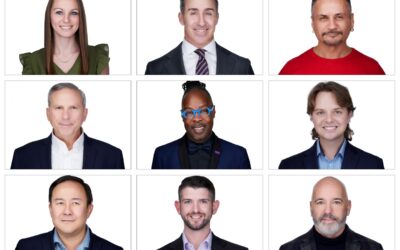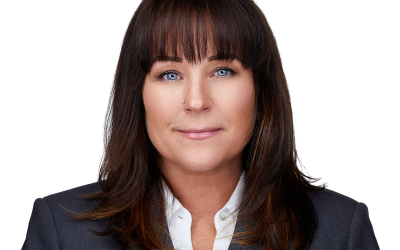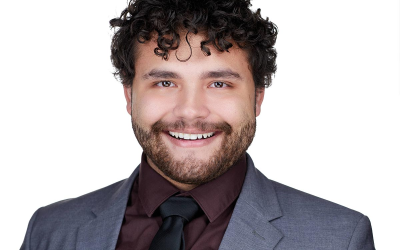

Walk into any networking mixer from Santa Monica to DTLA and you’ll feel it immediately: Los Angeles runs on first impressions. Before you shake hands, most people have already “met” you—on LinkedIn, in a pitch deck, on a staff page, or inside a conference app. In a city where creative reputation and technical credibility collide, a professional headshot is more than a nice-to-have; it’s the asset that quietly opens doors.
First impressions are split-second—and face-driven
There’s a reason your headshot works so hard for you. Research from Princeton found people form judgments of traits like trustworthiness and competence after just 100 milliseconds of seeing a face. More time can increase confidence in the judgment, but not necessarily change it. In other words: the photo you choose matters because the brain races to conclusions long before anyone reads your bio. PubMedPrinceton University
Your LinkedIn era: the headshot is part of your product
Los Angeles is a digital-first career market. Recruiters, clients, and collaborators sort opportunities at speed—and the image beside your name shapes whether they pause. Practical guidance from Forbes’ personal-branding columnists is strikingly consistent: use clean backgrounds, professional attire, and natural expressions that actually look like you; avoid filters, heavy retouching, and distracting scenes. WIRED’s headshot guide echoes the essentials—soft, even light; a stable camera; a frame that flatters your features; and subtle edits that preserve authenticity. That combination tends to increase profile engagement and helps people recognize you at events.
Why LA raises the stakes
Los Angeles is both a creative capital and a major tech hub, which means more roles where your public-facing image travels far. The Otis College Report on the Creative Economy underscores California’s outsized share of creative jobs—and LA’s centrality to film/TV and new media—even as the industry resets post-strikes. Creative work remains a resilient, high-wage segment here. Otis College of Art and Design
On the tech side, CBRE’s Scoring Tech Talent puts the Los Angeles/Orange County region among North America’s biggest pools of AI specialists, with a tech-talent workforce of ~258,640 and strong degree output—evidence that high-skill, high-visibility roles are expanding. Put simply: you’re competing in crowded, image-aware talent markets where perception influences opportunity. CBRE
And for performers, producers, and on-camera professionals, headshots aren’t optional—they’re industry currency. Backstage’s long-running guides and SAG-AFTRA programming emphasize that your headshot is a marketing tool that must match your current look and target roles (commercial vs. theatrical), not a generic portrait.
Pro vs. DIY: what you’re really buying
Could a careful smartphone portrait work? Sure—if you follow best practices (window light, tripod/timer, simple background, and restrained edits), as WIRED details. That said, Los Angeles professionals typically invest in a photographer for four advantages:
-
Lighting that flatters: Pros sculpt light so eyes sparkle, skin tones stay true, and jawlines define without harshness.
-
Posing and expression coaching: You’re not just “smiling”; you’re communicating confidence, approachability, and authority—subtleties that matter in split-second judgments.
-
Consistency and efficiency: Especially for companies, a pro builds a set that keeps style uniform across dozens of people and refreshes seamlessly with new hires.
-
Post-production finesse: Responsible retouching removes distractions without changing your face—so you look like you on your best day.
Industry education from Fstoppers highlights exactly this: corporate sessions demand a dialed-in setup for consistency and speed, which is different from a one-to-one creative portrait. Petapixel’s headshot business advice similarly frames headshots as standard line items in modern marketing budgets—another reason to do them well.
And if you do go DIY, WIRED’s step-by-step approach is a helpful floor—just remember that an acceptable photo and an asset aren’t the same thing.
What a winning LA headshot looks like (by industry)
Tech / Startups (Silicon Beach & beyond): Crisp, modern, and approachable. Neutral or softly textured backgrounds (studio or architectural), natural expressions (yes, you can smile), and wardrobe that reads “product leader,” not “speaking tour.” A high-key look (bright, low-shadow) conveys clarity and speed. DPReview
Entertainment / Creators: If you’re submitting, match the brief. Commercial looks skew brighter and friendlier; theatrical headshots often lean moodier with shape-defining contrast. Keep it current; your headshot must match how you’ll appear on camera this season. Backstage
Law, Real Estate, Finance: Authority plus warmth. Classic studio lighting with clean color management, a background that feels premium rather than flashy, and consistent styling across the entire team. This is where brand cohesion matters most on the website’s “Our People” page. (See next section.) Fstoppers
Nonprofits / Education / Healthcare: Friendly, community-forward images often benefit from soft environmental cues—campus, clinic, or neighborhood textures—while preserving a clear, distraction-free subject.
Across categories, remember that lighting is language. Basic principles—key/fill balance, angle, and quality—shape how decisive or relaxed you appear. Even consumer-oriented lighting guides show how small shifts in setup change the message your image sends. WIRED
The hidden ROI: team consistency and brand trust
Open any LA firm’s leadership page and you’ll see it immediately: mixed lighting, varying crops, different color casts. That visual noise subtly erodes credibility. A professional headshot rollout (with a saved lighting recipe and repeatable background) solves this, keeps onboarding simple, and makes press kits painless. Education pieces aimed at photographers stress how crucial consistency is when you have minutes—not hours—with each subject. The result is a staff page that feels cohesive and premium, and a hiring process that treats new-hire photos as plug-and-play. Fstoppers
When to update (and why cadence matters)
Two things date a headshot: your look and the market. Forbes advises teams and individuals to refresh regularly—not merely for style, but because a stale headshot can undermine trust when you meet in person. WIRED’s broader profile-photo guidance recommends revisiting every couple of years or sooner after meaningful changes (hair, glasses, weight shift, or a new senior role). In fast-moving LA industries, that rhythm keeps your image aligned with the person people meet on Zoom or on stage.
Prep checklist for your next session
-
Clarify your use cases: LinkedIn, company site, conference bios, press hits, pitch decks, IMDb/Backstage—each may need a different crop or vibe.
-
Wardrobe: Solid, camera-friendly textures; avoid ultra-bright neons and tiny patterns. Bring two or three options that align with your audience’s expectations. (Yes, your blazer color matters.)
-
Grooming & rest: Hydrate, bring balm/powder for shine, and plan hair timing so it looks like you.
-
Expression work: Think context. Practice the spectrum from “approachable” to “in-command.”
-
Post-session plan: Request multiple crops (1:1, 4:5, 3:2, 16:9), web-ready and print-ready exports, and a team style guide so future hires match seamlessly.
The bottom line
In Los Angeles, great work travels fastest when your image opens the door for it. A professional headshot won’t replace skill, but it will get the right eyes on your profile, help colleagues remember you after that Chamber mixer in Pasadena, and ensure your brand shows up consistently wherever opportunity appears.
If you’re ready to upgrade, book a session that’s tailored to your industry and platforms—and treat the result like any other critical brand asset. Contact us today for more information.